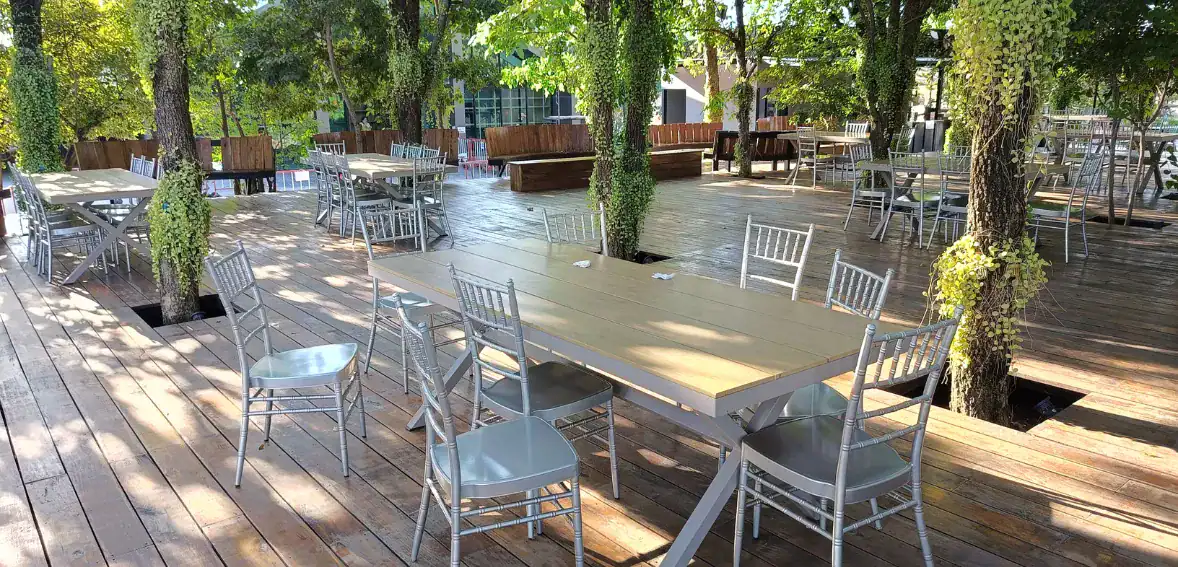
Top 10 Outdoor Dining Upgrades That Extend Patio Season in Delaware
Restaurants, cafes, and hospitality businesses need to install outdoor dining upgrades to generate additional revenue throughout the year and beyond summer peak periods. Delaware businesses gain both strategic and operational benefits from extending patio service, as temporary weather conditions shift their customer base at certain times of year.
As the outdoor temperature drops, people need heating systems to maintain indoor comfort between spring and autumn. Customers benefit from increased seating capacity because businesses can use patio space year-round after making suitable upgrades.
The guide shows Delaware businesses how to improve their outdoor dining areas. With the best outdoor dining upgrades it helps them maintain their patios throughout the season. The document includes information about heating systems and weather protection, lighting, furniture, and compliance requirements. Each upgrade is explained with practical insights to support informed decision-making.
Table of Contents
Outdoor Dining Upgrades Matter for Delaware Businesses
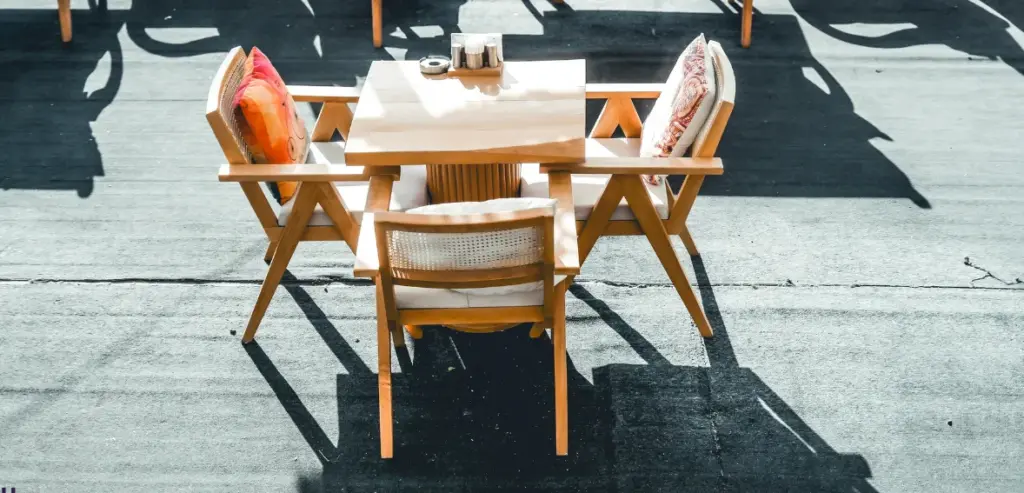
Outdoor dining directly impacts the improvements that provide additional benefits beyond their practical use. Customers prefer to visit restaurants with outdoor seating areas designed for maximum comfort. The dining experience achieves excellence through the combination of heating elements, lighting systems, and sheltering structures. Outdoor dining upgrades directly impact three key business outcomes:
- Revenue growth.
- Customer retention.
- Operational efficiency.
The coastal areas of Delaware experience temperature and wind changes that prevent outdoor dining for two to three months each year. Restaurants that invest in weatherproof outdoor dining solutions maintain consistent service levels despite seasonal changes. The system reduces indoor seating requirements while enabling better customer distribution during busy times.
An extended yard generates better returns on outdoor space investments, allowing the business to operate them year-round. Patios offer businesses revenue opportunities beyond their traditional summer use. This is especially valuable in Delaware’s tourist-driven areas, where demand fluctuates throughout the year.
Local regulations and zoning considerations also play a role. Businesses must ensure that upgrades comply with municipal codes, particularly when adding structures like enclosures or permanent fixtures. Proper planning ensures both compliance and long-term usability.
1. High-Efficiency Patio Heating Solutions
Patio heating option enhances the ability to provide outdoor dining upgrades, as they keep the areas usable when temperatures are cooler than ideal for outdoor dining. There are many types of methods to choose from, like gas, electric, infrared, and propane. Each type of heater has different benefits depending on the size and layout of the area.
Infrared heaters are highly effective at providing warmth for smaller areas, and their energy efficiency makes them a good choice for limited seating. To ensure effectiveness, the heater’s placement is essential for an even distribution of warmth. Many of them are designed to be mounted overhead, providing uniformity of coverage.
In addition, safety is an important consideration when utilizing heating equipment used in commercial areas. Energy efficiency and cost-effectiveness metrics must also be factored into the decision-making process. All heaters must have local fire codes and manufacturer installation guidelines. Proper ventilation is needed while using outdoor heaters in partially enclosed areas.
For example, high-efficiency heaters typically have lower operational costs while maintaining an acceptable level of heat for customers and employees.
A properly implemented patio heating system will significantly extend the patio season for Delaware restaurants, allowing them to provide comfortable seating for their customers.
2. Weatherproof Restaurant Patio Enclosures

Outdoor restaurant patio enclosures protect from the weather and temperature. They are also among the best outdoor dining upgrades for extended usability. Enclosures can be either permanent or temporary. A permanent structure provides durability and an attractive look, whereas a temporary enclosure offers flexibility and lower upfront costs.
Delaware’s variability in weather makes retractable temporary enclosures very useful. A retractable system allows a business to quickly adjust to the weather while retaining the restaurant’s aesthetics.
Proper ventilation should be maintained through adequate enclosure design. Improperly designed enclosures create discomfort and safety issues. Adequate airflow ensures a comfortable dining area. Different requirements of various municipalities require checking of zone or building codes while installing enclosures. This helps avoid delays and future compliance issues.
Restaurant yard enclosures will not only allow for longer patio use but also provide customers with a better view. Hence, creating an independent atmosphere between inside/outside.
3. Wind Barriers and Strategic Layout Design
Delaware experiences wind exposure as a regular problem across the entire state. The implementation of wind barriers serves as an effective solution for comfortable outdoor dining spaces without any building enclosures. The barriers of a space include different types of glass panels, planters, and decorative partitions.
People usually choose transparent materials as they want to maintain both visibility and visual appeal of their space. The layout of a space is essential to determine how effectively it functions. The seating arrangement requires direct wind protection through its design. People use table placement behind barriers or buildings to establish protected outdoor areas.
The combination of wind barriers, heating solutions, and enclosure systems yields better overall results. This method provides consistent comfort across different climate conditions. The strength of materials is crucial for outdoor elements that need to endure wet conditions and changing temperatures. Use of premium materials reduces maintenance requirements while extending the product’s useful life. The upgrade addresses wind-related discomfort, enabling customers to spend more time on the patio while enjoying their dining experience.
4. Outdoor Lighting for Extended Evening Service
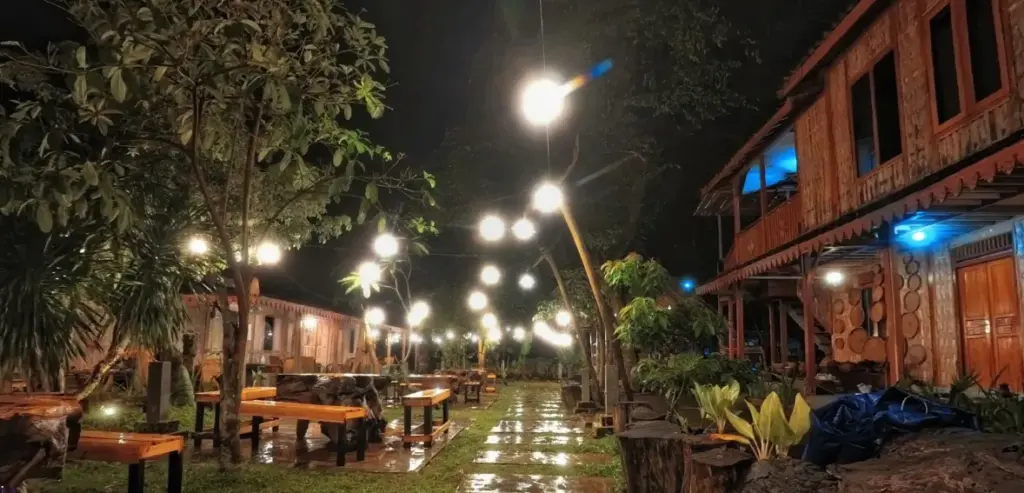
Outdoor dining upgrades primarily rely on lighting. When outdoor areas are properly illuminated, patrons use them, which helps improve the atmosphere and safety of those areas. Designing an effective lighting scheme needs multiple types of lighting to achieve the desired results, which include the following:
- Ambient Lights: Provide general lighting for the total space.
- Task Lighting: Provides specific lighting for tables and serving areas.
- Accent Lighs: Draws attention to specific architectural details.
As LED lights are energy-efficient, it lasts for many years without replacement, and produce varying levels of brightness. They are typically the preferred internal and external lighting source. Some of the common lighting types include:
- String lights.
- Wall-mounted fixtures.
- Pathway lighting.
Each type of lighting solves a specific problem and contributes to the overall design of the patio. A properly designed lighting plan creates an efficient operating environment, making it easier for staff to move about the property, and improves customer comfort.
Properly designed lighting not only extends the usable hours of a patio but also positively impacts the overall experience, making it one of the most important upgrades in outdoor spaces.
5. Durable and Comfortable Outdoor Seating Upgrades
Outdoor seating upgrades lead to improved customer satisfaction and longer customer stay times. The presence of comfortable seating brings more customers who spend more money throughout their visit. Customers expect furniture to last a long time while providing them with comfortable seating. Designers select materials such as treated wood, aluminum, and weather-resistant wicker for their products. Designers create cushions using water-resistant fabrics that maintain outdoor performance during various weather conditions.
Flexibility is an essential requirement. Modular seating systems enable businesses to adjust seating capacity to meet their actual customer requirements. The use of stackable, lightweight furniture products enables users to manage their storage and furniture layout changes with greater efficiency.
People need to consider maintenance requirements for their work. Implementing easy-to-clean surfaces enables businesses to maintain cleanliness while reducing maintenance efforts.
The demand for heated seating systems is increasing because of their advantages. These systems provide extra warmth to users during the wintertime while working with existing patio heating systems.
Investing in high-quality outdoor seating upgrades ensures long-term usability and enhances the overall dining experience.
6. Fire Pits and Outdoor Fire Features
In addition to being functional, fire features add beauty to outdoor dining and provide warmth while serving as the centerpiece of your ambiance. You will find many types of fire features to choose from, including gas fire pits, wood-burning fireplaces, and tabletop fire features. Gas systems typically provide more convenience and consistent performance, making them the most popular option for restaurants.
When setting up fire features, safety and accessibility should be top priorities. Fire features should be located away from flammable materials and high-traffic areas.
When building your outdoor dining area, it is important to comply with the fire code and local regulations regarding fire features. Some areas do not allow certain types of fire features and may require permits, so be sure to check what the regulations are before proceeding with installation.
In addition to being functional, fire features also enhance the customer experience by creating a more inviting, cozy atmosphere for guests to enjoy while they linger. When designing an outdoor dining area, seating and layout should be arranged so that fire features are a prominent focal point.
7. Weather-Resistant Flooring and Surfaces
People often overlook the flooring materials when considering outdoor dining upgrades. Flooring materials for outdoor dining areas must provide essential safety features while maintaining durability. The industry commonly uses three materials:
- Composite decking.
- Treated wood.
- Slip-resistant tiles.
The materials create a stable surface that endures both moisture and temperature changes. The primary factor to address in this situation is drainage. Implementing proper grading, along with effective water management systems, will eliminate water accumulation and reduce the risk of slip accidents. This situation is particularly significant in areas that experience regular precipitation. The assessment process needs to include maintenance requirements as an essential factor. Selecting low-maintenance materials will reduce future expenses while maintaining consistent material performance.
The process of aesthetic integration is equally significant. Outdoor spaces need flooring that complements their existing design to create an attractive, unified atmosphere. Businesses can achieve better safety outcomes, lower maintenance needs, and improve their outdoor dining spaces through their investment in weatherproof flooring materials.
8. Smart Technology for Climate Control
Smart technology enables outdoor dining upgrades to create an environmental control system that provides accurate temperature and humidity control. The system includes three components: automatic heating systems, light management systems, and meteorological detection devices.
The technologies enable businesses to modify their operations by using actual weather information. Sensors detect temperature declines, which activate heating systems, and adjust lighting systems as daylight increases.
The system increases operational productivity by enabling workers to complete tasks with less physical effort. The system offers users supplementary benefits by enabling connectivity with mobile applications and core operational systems.
A primary advantage of the system is its use of energy-efficient technology. The smart systems control all resources to achieve energy-efficient results while guaranteeing user comfort. Although outdoor dining areas require a higher initial investment in smart technology, the technology delivers extended benefits throughout its operational lifespan.
9. Shade Structures and Seasonal Covers
Shade structures are essential outdoor dining upgrades for both summer and transitional seasons. The structures offer protection against sunlight, light rain, and mild wind conditions.
The available options for outdoor protection include umbrellas, pergolas, and retractable awnings. The three options offer different levels of protection that users can adjust according to their needs.
The Delaware climate requires businesses to use retractable systems due to its unpredictable weather. The systems enable businesses to adjust their protection systems based on different weather conditions.
Material selection is critical. The fabrics must meet two requirements: provide UV protection and waterproofing to achieve durability. The structural components need to maintain strength during wind and environmental exposure.
Seasonal covers protect furniture and equipment when they are not in use. The process helps preserve outdoor assets while simultaneously reducing maintenance expenses.
Installing shade structures enables businesses to create comfortable spaces that customers can use year-round.
10. Compliance, Safety, and Accessibility Considerations
The success of outdoor dining upgrades depends on the safe, compliant installation of outdoor dining areas. All installations must comply with local laws and any applicable industry standards. Some key aspects that should be considered when undertaking an outdoor dining upgrade include:
- Compliance with fire safety laws, specifically those about heating systems and fire features.
- Compliance with building codes for all enclosures and supporting structures.
- Compliance with accessibility requirements for all pathways, including outdoor seating.
- Electrical compliance for all systems, including lighting and IoT devices.
Compliance and safety are especially important for providing a comfortable outdoor dining experience for all guests. Adequate space between tables, ramps, and stable surfaces should all be designed to accommodate guests with mobility challenges.
Documentation and permits associated with the outdoor dining upgrade should be retained at the establishment for future inspections. This will enable transparency during inspection and audit processes, simplifying and improving compliance.
The success of your outdoor dining upgrade can be greatly enhanced by prioritizing compliance and safety. Implementing an outdoor dining upgrade with strong compliance and safety measures can help build confidence in your operations, reduce the overall risk of adverse business impacts, and support long-term success.
Conclusion
The outdoor dining upgrades in Delaware provide necessary improvements that help businesses maintain their outdoor dining areas throughout the entire season. The solutions enable businesses to address climate-related challenges while improving their customer service and operational processes.
The outdoor area receives the required improvements through various upgrades, including patio heating systems, restaurant enclosures, lighting and seating arrangements, and smart technology components. The combination of these elements enables patios to realize their full potential as year-round income sources.
Therefore, long-term success depends on three essential elements: proper planning, adherence to regulations, and the selection of high-quality materials. The strategic outdoor dining upgrades implemented by the businesses will deliver maximum return on investment by enhancing customer dining experiences.
FAQs
1. What outdoor dining upgrades are available for outdoor dining that allow users to stay warmer during the winter months?
The three outdoor dining upgrades that provide warmth and protection, allowing users to continue using outdoor areas during cold winter months, are patio heating solutions, enclosures, and fire features.
2. How can I help extend the patio restaurant season in Delaware?
By using heating, wind barriers, enclosures, and lighting, Delaware restaurants can create controlled environments that enable year-round patio use.
3. Are restaurant patio enclosures built as permanent structures?
Yes, they can either be permanent or temporary. Permanent enclosures are constructed from durable materials and have a much longer life than temporary enclosures. Temporary enclosures for restaurant patios are more flexible and typically cost less.
4. What type of weatherproof materials should I use for the outdoor dining furniture in my restaurant?
The most commonly recommended materials for weatherproof outdoor dining furniture include aluminum, treated wood, and weather-resistant wicker. In addition, if you are purchasing cushions to accompany the furniture, you should ensure the fabric used is water-resistant for maximum durability.
5. Are there any permits required for outdoor dining upgrades in Delaware?
Yes, outdoor dining upgrades, such as enclosures and fire features, need a local permit. Be sure to check local regulations in advance to determine if your upgrades comply with the permit requirements before installation.