How to Choose the Right Restaurant for Any Occasion
Choosing the right restaurant for any occasion can make the difference between an “okay” outing and a genuinely memorable experience.
Whether you’re planning date night in Wilmington, a family dinner near Newark, or a business lunch close to Dover or Rehoboth, the principles are the same: you’re matching people, purpose, budget, and atmosphere with the right place to eat.
This guide walks you through how to choose the right restaurant for any occasion, with a focus on realistic local scenarios, modern booking tools, and how trends might shift in the next few years. It’s written to be easy to read, SEO-friendly, and practical for everyday use.
Understanding Your Occasion and Dining Goals

Before you even open a review site or reservation app, pause and ask: What is this meal really about? The right restaurant for a birthday celebration is completely different from the right spot for a quick work lunch or a quiet anniversary.
When you understand the real purpose of the meal, it becomes much easier to filter your options and choose the right restaurant for any occasion.
Start by defining the type of occasion. Is it casual or formal? Is it primarily about conversation or about the food experience itself? A business dinner often requires lower noise levels, good seating arrangements, strong Wi-Fi, and a professional vibe.
A family gathering may need high chairs, kids’ menus, and flexible portion sizes. A romantic date usually calls for softer lighting, cozy seating, and a more intimate environment instead of big, loud tables. Matching these basic needs with each restaurant’s strengths helps you quickly rule out locations that just will not fit.
Next, consider your group dynamics and expectations. How many people are coming? Are there dietary restrictions such as vegetarian, vegan, gluten-free, or food allergies? Does anyone in your group have mobility issues that would make stairs, tight seating, or limited parking a problem?
Think about transportation too—are you planning to walk, drive, or use rideshare? In many parts of the state, parking availability and accessibility can make or break a restaurant choice, especially on busy weekends and during summer tourist season.
Finally, clarify your budget and time constraints. Are you aiming for an affordable casual meal, a mid-range experience, or a fine-dining splurge? Do you need a quick service option that can get everyone seated, fed, and out within an hour, or are you planning a long, relaxed evening?
When you define your occasion, group needs, and budget clearly, you are already halfway to choosing the right restaurant for any occasion that will actually work for everyone involved.
Key Factors to Consider When Choosing a Restaurant
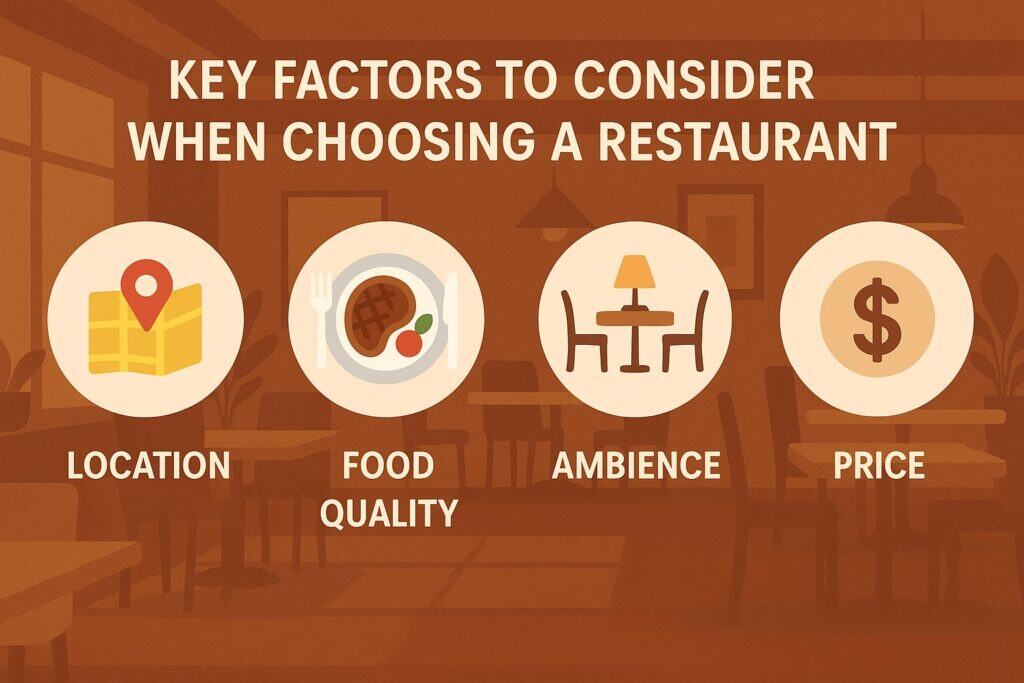
To consistently choose the right restaurant for any occasion, you need a short list of core factors you always evaluate. Think of these as your personal checklist before you book a table, order takeout, or invite guests.
While each factor matters differently for different occasions, reviewing them together gives you a fuller picture of whether a place is a good fit.
One of the most important factors is location and accessibility. Is the restaurant easy to reach from where you live or work? Is it convenient for all or most of your guests? Consider traffic patterns, nearby construction, and parking options.
In busy restaurant districts and beach towns, parking can be limited, so garages, lots, or valet services can become crucial. For older guests, families with small children, or anyone with mobility challenges, look at whether the entrance is accessible, if there are ramps or elevators, and how far you must walk from parking to the door.
Another major factor is the menu and cuisine type. Ask yourself if the restaurant’s style matches the occasion and group. A sushi bar might be perfect for adventurous friends but not ideal for someone who dislikes seafood.
If you are hosting a mixed group, look for menus with a variety of options, including vegetarian, gluten-free, and lighter dishes. Also consider portion sizes—small plates and tasting menus are great for food lovers who want to sample different flavors, while hearty entrees may be better for big family appetites.
Finally, evaluate service style, price range, and atmosphere together. Is it counter service, casual sit-down, or formal dining? Does the price range match your budget, especially once you add taxes, tips, and possibly parking fees?
Check if the atmosphere is loud and energetic or quiet and low-key. Lighting, music, table spacing, and decor all influence how comfortable people feel. When you look at location, menu, price, and atmosphere as a package, you can make a smarter choice and consistently choose the right restaurant for any occasion.
Matching Restaurant Types to Different Occasions
Not every restaurant style fits every event. To choose the right restaurant for any occasion, it helps to understand how different types of places lend themselves to specific purposes.
When you think in terms of “occasion fit,” you’ll avoid mismatches like holding a serious business discussion in a noisy bar or taking kids to an ultra-formal dining room where they might feel uncomfortable.
For casual hangouts and friend meetups, local diners, pubs, sports bars, and casual cafes are usually ideal. These spots often have flexible seating, relaxed dress codes, and menus that please a wide range of tastes.
Shared appetizers, burgers, sandwiches, and wings make it easy for people to graze and chat without worrying about formal service. If you plan to watch a game together, a sports bar with multiple screens and drink specials can keep everyone entertained and satisfied.
For special occasions like birthdays, anniversaries, and celebrations, look toward upscale casual or fine-dining restaurants with a reputation for attentive service and memorable dishes. Here, presentation and atmosphere matter as much as the food.
You want a place with thoughtful plating, a solid wine or cocktail list, and staff who are comfortable handling birthdays, cakes, and group photos. Some restaurants offer private dining rooms for large parties, which can make celebrations feel more intimate.
For business meetings, client lunches, and professional networking, choose restaurants with quieter rooms, reliable Wi-Fi, and efficient service. Steakhouses, modern American bistros, and quality hotel restaurants often work well for this kind of occasion.
You want tables large enough for laptops or paperwork, servers who respect conversation time, and a menu that allows quick ordering and relatively predictable prep times. When you understand how different restaurant types serve different needs, you can more easily choose the right restaurant for any occasion without second-guessing your choice.
Considering Cuisine, Dietary Needs, and Food Preferences
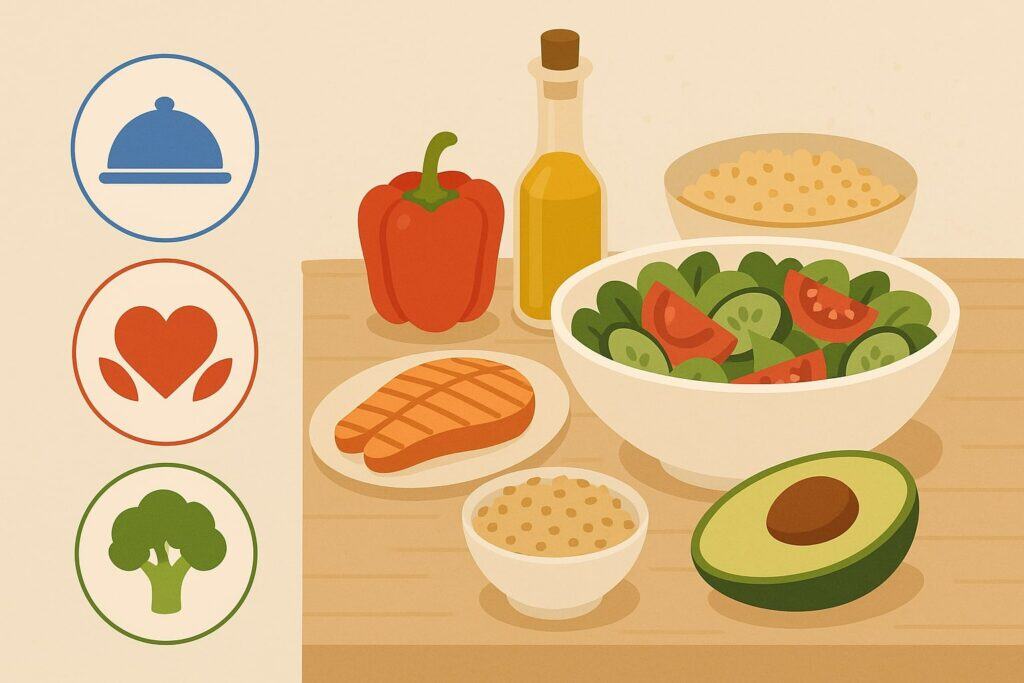
A big part of how to choose the right restaurant for any occasion is making sure the menu truly works for everyone at the table.
Food preferences, dietary restrictions, and cultural expectations can transform a seemingly good choice into a stressful experience if you don’t think ahead. By planning around these factors, you show respect for your guests and avoid awkward last-minute compromises.
Start by listing any specific dietary needs in your group. This includes vegetarian and vegan diets, gluten-free requirements, dairy-free requests, nut allergies, or religious dietary rules such as keeping kosher or avoiding pork. Many modern restaurants label allergen information and special diet options on their menus, especially online.
If the menu is not clear, calling ahead can help you confirm whether they can safely accommodate your group. For serious allergies, ask how the kitchen handles cross-contamination, and whether they can customize dishes accordingly.
Next, think about general food preferences and comfort zones. If you are inviting guests you do not know well, it’s often safer to choose a restaurant with familiar dishes—grilled chicken, steak, salads, pasta, or seafood—alongside more adventurous options.
If your group is adventurous, you can explore specialized cuisines like Korean BBQ, Indian, Thai, Ethiopian, or authentic regional Mexican. Matching cuisine intensity (spice, unfamiliar ingredients, strong flavors) to your guests’ comfort levels is a subtle but powerful part of choosing the right restaurant for any occasion.
Finally, consider portion sizes and meal structure. For big eaters or long events, pick a place known for generous portions or multi-course meals. For lighter gatherings, a cafe with salads, grain bowls, and small plates might be more appropriate.
Also consider whether the restaurant offers sharable dishes or family-style options. Sharing plates can make celebrations and casual meetups more fun, but they might not fit every group or every occasion. When you line up cuisine, dietary needs, and preferences thoughtfully, you greatly increase the odds that everyone leaves satisfied.
Location, Parking, and Accessibility: Practical but Crucial
Even the best-reviewed restaurant can be the wrong choice if people struggle to get there or feel uncomfortable once they arrive.
To truly choose the right restaurant for any occasion, you need to weigh practical factors like travel distance, parking, and accessibility just as seriously as the menu and ambiance. These logistics often determine whether guests arrive relaxed and ready to enjoy themselves, or stressed and tired.
First, think about travel routes and convenience. If your group is scattered across different towns or neighborhoods, try to pick a restaurant roughly central or near a major highway or commuting route.
When traffic is heavy during rush hour or near the beach in summer, a location that usually seems close can suddenly feel much farther away. Consider whether your guests rely on public transportation, rideshare, or personal cars, and choose a spot that makes sense for the majority of attendees.
Next, evaluate parking options and costs. Some popular restaurant areas have limited street parking or strict time limits, which can create anxiety, especially for longer meals. Look for places with their own parking lots, partnerships with nearby garages, or validated parking.
If you know parking will be tight, include a note in your invitation or message with suggestions for nearby lots so guests can plan ahead. This small step makes a big difference in your guests’ experience and reinforces that you know how to choose the right restaurant for any occasion thoughtfully.
Finally, assess accessibility and comfort inside the restaurant. Check whether there are steps at the entrance, if doorways are wide, and whether restrooms are accessible. Look at photos to see how close tables are to one another and whether there are quieter corners or booths for those who prefer more privacy.
For older relatives, guests with disabilities, or families with strollers, these details can decide whether they feel welcome. As local building codes and accessibility standards continue to improve, more restaurants are updating layouts and entrances, so it’s worth checking the most recent photos or calling to confirm details before you book.
Ambiance, Noise Level, and Overall Atmosphere
Ambiance is one of the most powerful elements when you choose the right restaurant for any occasion. Two restaurants might serve equally excellent food, but the lighting, music, decor, and crowd can create entirely different experiences.
Matching ambiance to your purpose can turn an ordinary meal into exactly the mood you want—romantic, celebratory, professional, or laid-back.
Begin by thinking about noise level and privacy. If you’re planning a date or a serious business conversation, you want to avoid places known for very loud music or crowded bar areas.
Look for restaurants with softer background music, more spaced-out tables, or private rooms. You can often infer noise level from photos that show how close the tables are, whether there’s a bar with TVs, or how many hard surfaces are in the room.
User reviews sometimes comment directly on noise, describing it as quiet, moderate, or loud, which can guide your expectations.
Next, consider lighting, decor, and seating style. Dim lighting and candles create an intimate setting, perfect for romantic dinners, while brighter lighting works better for family gatherings or business lunches where you might need to read menus, documents, or screens.
Decor signals the restaurant’s personality—rustic wood, metal and glass, local art, or traditional linens each create different vibes. Seating style matters too: cozy booths can feel private and comfortable, while large communal tables encourage social interaction and might be great for friend groups who like to mingle.
Finally, think about crowd energy and timing. The same restaurant can feel totally different on a Friday night versus a Tuesday afternoon. If you want a lively environment, aim for peak hours, happy hours, or weekend evenings. If you prefer a calmer experience, reserve earlier in the evening, later at night, or on weekdays.
As online reservation systems become more data-driven, some will even estimate average noise level or busyness for specific time slots, helping you plan. By paying attention to ambiance and timing, you can consistently choose the right restaurant for any occasion with the right energy for your plans.
Budget, Pricing Transparency, and Hidden Costs
No matter how special the occasion is, budget still matters. To avoid awkward moments when the check arrives, you should think about the cost early and plan accordingly. A big part of how to choose the right restaurant for any occasion is making sure the overall bill lines up with what you and your guests expect, including tax, tip, and any extra charges.
Start by defining a realistic per-person budget. Consider what you are comfortable spending on appetizers, entrees, drinks, desserts, and coffee. Then look up the restaurant’s online menu, including separate lunch, dinner, and special event menus.
Pay attention to price ranges on entrees and drinks. If the menu does not include pricing, it’s a sign that this may be a higher-end experience, so you should be prepared for a larger bill. For group events, it can be helpful to choose restaurants that offer fixed-price menus or shared platters so everyone has a clear idea of costs.
Next, factor in additional and hidden costs. These might include parking fees, corkage fees if you bring your own wine, cake-cutting fees for outside desserts, or service charges for large groups. Some restaurants automatically add gratuities for parties above a certain size.
It’s better to know about these charges beforehand than to be surprised at the end of the night. As more restaurants adopt digital menus and QR-code ordering, they sometimes display fees and surcharges more transparently, so take time to read the fine print on both menus and bills.
Finally, consider value, not just price. A higher-priced restaurant might still be the right choice if it offers outstanding quality, service, and ambiance that match your occasion. On the other hand, there are many casual places that deliver excellent value with generous portions and reliable service.
The key is aligning expectations: if you frame the event as a special night out at a pricey spot, guests will be prepared; if you imply casual and affordable, don’t pick a place where entrees start at premium prices. Clear thinking about budget and value helps you choose the right restaurant for any occasion without financial stress overshadowing the experience.
Using Online Reviews, Ratings, and Social Media Wisely
Modern diners rely heavily on online reviews, ratings, and social media feeds to choose the right restaurant for any occasion. These tools can be extremely helpful—but only if you know how to interpret them critically. Instead of blindly following star ratings, you want to read between the lines and spot trends that matter for your specific needs.
Begin with overall ratings and the number of reviews. A restaurant with a very high score and a large number of reviews usually indicates consistent quality. However, don’t dismiss a new restaurant with fewer reviews; newer places can still be excellent but simply haven’t built up a big online history yet.
Pay attention to recency: recent reviews often reflect current staff, menu, and management, which is especially important after ownership changes or renovations.
Next, dig into specific review comments. Look for patterns: if many people mention slow service, small portions, or noise, those are likely real issues. If recurring praise focuses on friendly staff, fresh ingredients, or particular signature dishes, that’s a sign of strengths that might align with your occasion.
Sort reviews by newest first to see how the restaurant is currently performing, and consider filtering by keywords like “birthday,” “date night,” “family,” or “business dinner” to see how diners with similar purposes felt about their experience.
Finally, use photos and social media posts to complete the picture. User photos show you real-world portion sizes, plating, and decor. Official restaurant social media accounts can reveal daily specials, seasonal menus, and special events such as live music or holiday dinners.
These channels also show how engaged the restaurant is with its community and how quickly they respond to comments or issues.
As review platforms and AI-driven recommendations continue to improve, they will become even more tailored to helping people choose the right restaurant for any occasion. Still, your own judgment and knowledge of your group will always matter more than any rating number alone.
Reservations, Wait Times, and Peak Dining Hours
A great restaurant choice can still go wrong if you underestimate reservations, wait times, and peak hours. Understanding how busy a restaurant gets and how it handles reservations is essential for how to choose the right restaurant for any occasion, especially on weekends, holidays, and during local events or summer season.
First, decide whether reservations are strongly recommended, required, or optional. Some popular fine-dining spots and trendy restaurants require reservations days or weeks in advance, particularly for prime times like Friday and Saturday evenings. Others operate mainly on a first-come, first-served basis but may offer call-ahead seating.
If your occasion is time-sensitive—a pre-concert dinner, a business meeting, or a birthday with a large group—booking a reservation is almost always the safer option. Be honest about your group size and arrival time so the restaurant can plan accordingly.
Next, research average wait times and peak hours. User reviews, reservation apps, and even the restaurant’s own social media can give clues. For restaurants near beaches, entertainment venues, or business districts, expect surges at predictable times: lunch rush on weekdays, after-work happy hours, and dinner just before showtimes or events.
If you prefer a calmer experience or need a shorter visit, consider off-peak times like early dinners, late lunches, or mid-week nights. Some apps now display real-time wait estimates, which can help you decide between walk-in and reservation strategies.
Finally, understand cancellation policies and etiquette. With demand patterns changing and many places managing staff carefully, canceling late or not showing up can hurt the restaurant and might result in fees for certain high-end locations. If your plans change, cancel or modify your reservation as early as possible.
For large groups, confirm headcount a day or two in advance and check whether the restaurant has special menus or minimum spend requirements. Handling reservations and timing respectfully helps you maintain good relationships with restaurants and ensures smoother experiences when you choose the right restaurant for any occasion in the future.
Safety, Hygiene Standards, and Food Handling Practices
Health, safety, and hygiene have become even more important factors in how to choose the right restaurant for any occasion. Diners now pay close attention to cleanliness, food safety practices, and how visibly a restaurant cares about public health. A visually appealing dining room is not enough; you want confidence that food is stored, cooked, and served safely.
Start by observing visible cleanliness. When you arrive or browse photos, note the condition of tables, floors, restrooms, and entryways. A clean, well-maintained environment usually reflects attention to detail behind the scenes.
Check whether staff wash hands frequently, use gloves appropriately, and handle food and utensils carefully. Small signs like neatly arranged condiments and clean menus can hint at broader standards.
Next, look for health inspection information and certifications that might be publicly posted or available online. Many jurisdictions publish health scores or inspection reports, which give you insight into how well the restaurant complies with local food safety regulations.
Pay attention to repeated violations or major issues rather than minor technical notes that may have been resolved. If inspection scores are consistently strong, it’s a solid sign that management takes safety seriously.
Finally, consider allergy awareness and communication practices. If anyone in your group has serious allergies or medical dietary needs, ask how the restaurant handles special requests, cross-contact, and ingredient questions. Staff should be comfortable checking with the kitchen and giving clear answers.
Over the next few years, we can expect more restaurants to adopt digital labeling, QR codes, and real-time allergen tracking to support guests with specific needs. When a restaurant is transparent and responsive about health, hygiene, and food safety, it becomes a much more reliable choice for any occasion that matters to you.
Local Flavor: Supporting Neighborhood Restaurants and Seasonal Options
When you think about how to choose the right restaurant for any occasion, don’t overlook the value of local flavor. Locally owned restaurants, farm-to-table spots, and seasonal menus can turn a simple meal into a deeper connection with the community.
Balancing well-known chains with independent places helps you support local businesses while still having reliable standbys for busy days.
Start by exploring neighborhood favorites and hidden gems. Ask friends, coworkers, and neighbors where they like to go for specific occasions—casual brunch, date night, family dinners, or late-night snacks.
Locals often know the best spots long before they become popular online. In areas with strong tourism, year-round residents can point you toward places that stay consistent even outside peak season.
Next, pay attention to seasonal menus and local ingredients. Many restaurants emphasize fresh seafood, locally grown produce, and seasonal specialties that change throughout the year. Choosing a restaurant that works with local farmers and suppliers often means better flavor and a more interesting dining experience.
Seasonal menus can also be a sign that the chef is engaged, creative, and updating dishes regularly to keep things fresh for repeating guests.
Finally, consider future trends in local dining. As consumer interest in sustainability and community-focused businesses grows, more restaurants are highlighting local sourcing, eco-friendly packaging, and reduced food waste.
Delivery and takeout from independent restaurants are likely to remain popular, but many owners are also re-emphasizing in-person experiences that feel special and personal.
When you factor in local character and community support, you not only choose the right restaurant for any occasion—you also help shape the kind of dining scene you want to enjoy in the future.
Planning for the Future: Emerging Dining Trends and Technology
Dining culture is constantly evolving, and understanding new trends can help you choose the right restaurant for any occasion not just today, but in the next few years. Technology, shifting work patterns, and changing consumer expectations are reshaping how restaurants operate and how guests discover, book, and experience meals.
One major trend is the continued rise of digital tools. Reservation platforms, review apps, and restaurant websites are becoming more sophisticated, offering real-time wait estimates, personalized recommendations, and detailed menu information, including allergens and nutritional details.
Mobile payment, contactless ordering, and digital loyalty programs are now common and will likely become even more integrated. These tools make it easier to find and choose restaurants that match your needs, but they also mean you should keep your information up to date and watch for occasional technical glitches.
Another important trend is the growth of hybrid dining models. Many restaurants now combine dine-in, takeout, delivery, catering, and sometimes meal kits. When planning an occasion, you may have more flexible options than a traditional sit-down meal.
For example, you can order a high-quality takeout spread for an at-home celebration or mix dine-in with take-home desserts. Ghost kitchens and delivery-only concepts also expand your choices beyond what you see on the street, letting you try specialty concepts that exist primarily online.
Finally, there is increasing focus on sustainability, wellness, and transparency. Expect more menus to highlight plant-forward dishes, responsibly sourced seafood, and reduced-waste practices. Restaurants may showcase partnerships with local farms, composting programs, and energy-efficient equipment.
Wellness trends could bring more alcohol-free cocktails, low-sugar desserts, and customizable portion sizes. As these shifts deepen, you’ll have even more tools and options to choose the right restaurant for any occasion that fits your values, lifestyle, and budget.
Frequently Asked Questions (FAQs)
Q1. How far in advance should I book a restaurant for a special occasion?
Answer: For popular restaurants, weekends, or major holidays, it’s wise to book at least one to two weeks in advance, and sometimes longer for very high-demand places or large groups. If you are planning a major celebration like an anniversary or milestone birthday, start checking availability a month or more ahead, especially if you want a specific time or private room.
For more casual spots or weeknight dinners, a few days can be enough. When in doubt, making a reservation early is one of the easiest ways to ensure you choose the right restaurant for any occasion without last-minute stress.
Q2. What if my group has very different food preferences and dietary needs?
Answer: When your group has diverse tastes and restrictions, look for restaurants with broad, flexible menus. Places that offer salads, grilled proteins, vegetarian options, and customizable sides usually work well. Check online menus to confirm gluten-free, dairy-free, or allergy-friendly dishes.
If needs are complex, call the restaurant to ask how they handle substitutions and cross-contact. Choosing a restaurant with a variety of cuisines or a “build-your-own” concept can help everyone find something they enjoy and makes it easier to choose the right restaurant for any occasion.
Q3. How can I tell if a restaurant is suitable for a business meeting?
Answer: A good business restaurant has quiet or moderate noise levels, comfortable seating, and efficient service. Look for reviews mentioning business lunches, meetings, or client dinners. Check photos to see if tables are large and spaced out enough for laptops or paperwork.
Reliable Wi-Fi, clear menus, and attentive but not intrusive staff are important. Steakhouses, modern bistros, and certain hotel restaurants often meet these needs, making them strong candidates when you need to choose the right restaurant for any occasion involving work or networking.
Q4. What’s the best way to handle big groups or parties at a restaurant?
Answer: For big groups, contact the restaurant directly and ask about group reservations, special menus, and seating arrangements. Many places have set menus or family-style options that simplify ordering and keep costs predictable. Ask about minimum spend requirements, deposit policies, and any extra fees.
Confirm whether they can accommodate decorations, audio equipment, or cakes brought from outside. Clear communication helps the restaurant prepare and ensures your group feels hosted and organized, helping you choose the right restaurant for any occasion involving multiple guests.
Q5. How do I check if a restaurant is truly clean and safe?
Answer: Look for visible cleanliness in dining areas and restrooms, and observe staff behavior. Clean uniforms, frequent handwashing, and careful food handling are positive signs. Check online health inspection scores or public reports where available, and pay attention to patterns of serious violations.
Reviews that mention consistent cleanliness and food safety are also useful. For allergies or medical diets, ask direct questions about kitchen practices. When a restaurant is transparent and responsive, you can feel more confident that it is a safe choice for any occasion.
Q6. Is it rude to check reviews while I’m already at the restaurant?
Answer: It’s common today to quickly check online reviews or photos on your phone, even after arriving. Most people do this to decide what to order or to confirm they made the right choice. As long as you’re discreet and not loudly criticizing the place in front of staff, it’s not considered rude.
However, try to balance screen time with conversation, especially on dates or social occasions. Use reviews as a guide, not a script, and focus on enjoying the moment once you’ve chosen the right restaurant for your occasion.
Q7. How can I balance supporting local restaurants with convenience and reliability?
Answer: A practical approach is to mix local independents with familiar chains. Use chains when you need quick, predictable experiences, and seek out neighborhood spots for dates, celebrations, and relaxed meals.
Ask for local recommendations, watch social media for specials, and be willing to try new places occasionally. Over time, you’ll build a personal list of trusted local favorites, making it easier to choose the right restaurant for any occasion while supporting your local dining scene.
Conclusion
Choosing the right restaurant for any occasion is both an art and a system. You start by understanding the purpose of the meal—business, romance, celebration, or casual catch-up—then layer in practical and personal factors: location, parking, accessibility, cuisine, dietary needs, ambiance, budget, and timing.
Add the modern tools of online reviews, reservation apps, and social media, and you have a powerful toolkit for making smart, confident choices.
In practice, the best approach is to build a shortlist of trusted restaurants for different scenarios: a go-to date-night spot, a reliable business lunch location, a family-friendly place, and one or two special-occasion destinations.
Refresh your list regularly as new restaurants open, menus change, and your own tastes evolve. Pay attention to local favorites, seasonal offerings, and emerging trends like digital menus, sustainable sourcing, and hybrid dine-in plus takeout models.
Most importantly, remember that the “right” restaurant is the one that makes your guests feel considered, comfortable, and well cared for.
When you take time to match the restaurant to the occasion, respect everyone’s needs and preferences, and stay aware of how the local dining scene is changing, you’ll be able to confidently choose the right restaurant for any occasion again and again—and turn ordinary meals into experiences people happily remember.